
Literacy
Writing
|
Intent We aim to inspire and encourage children to become confident and competent writers while also developing their skills in English Grammar and promoting a love of Reading. In order to accomplish these aims, we constantly strive to expose our children to a wide range of high quality texts, some of which reflect units of work in other subjects, such as history or science. These texts allow the children to explore a range of writing purposes and forms that engage them across a broad spectrum of contexts, allowing them to relate and share common experiences to enhance the learning of each individual. |
|
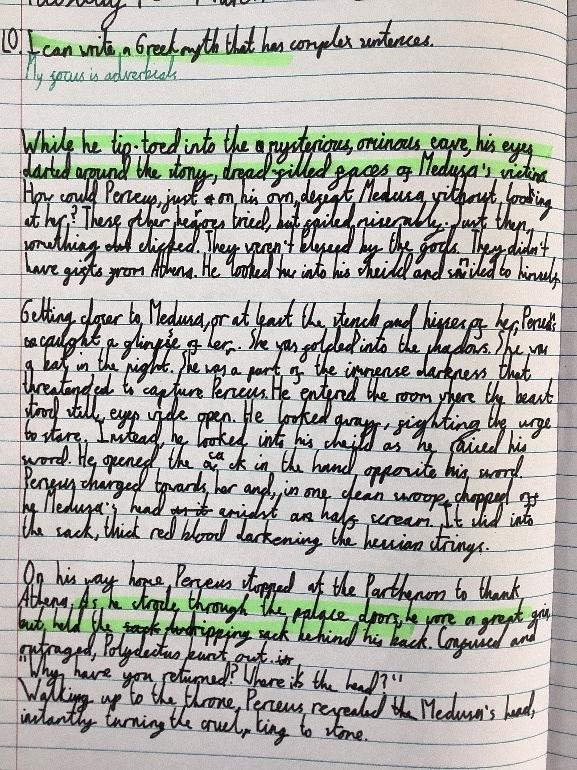
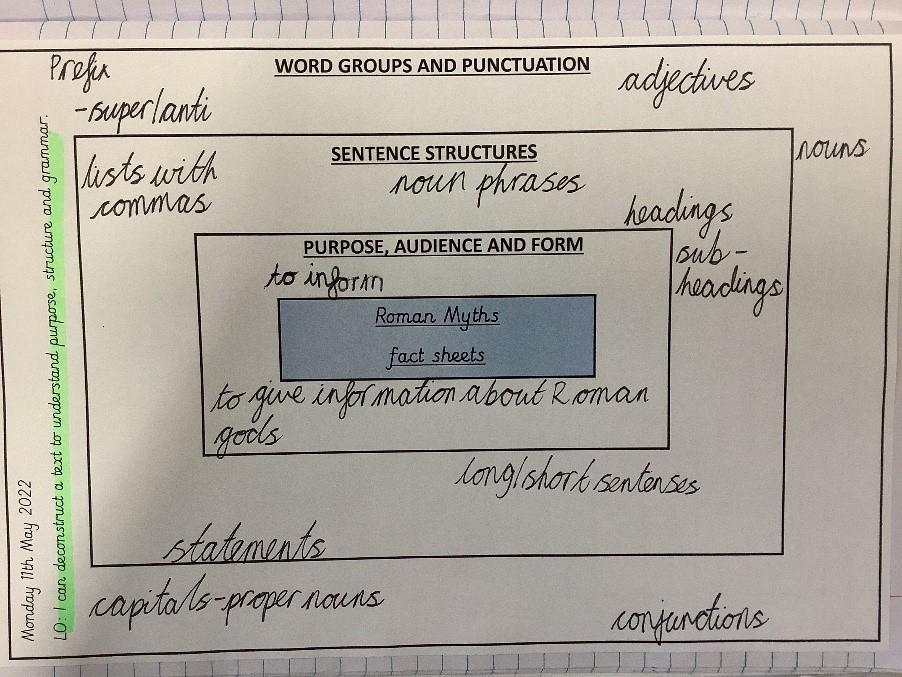
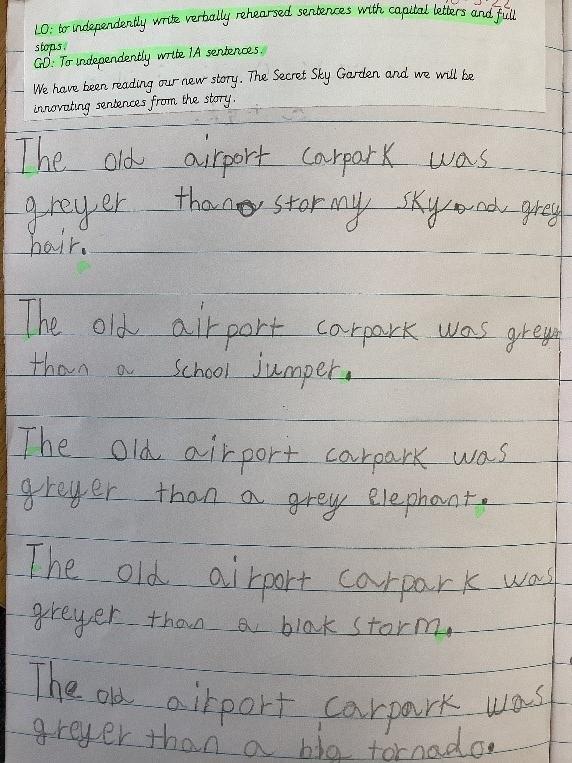
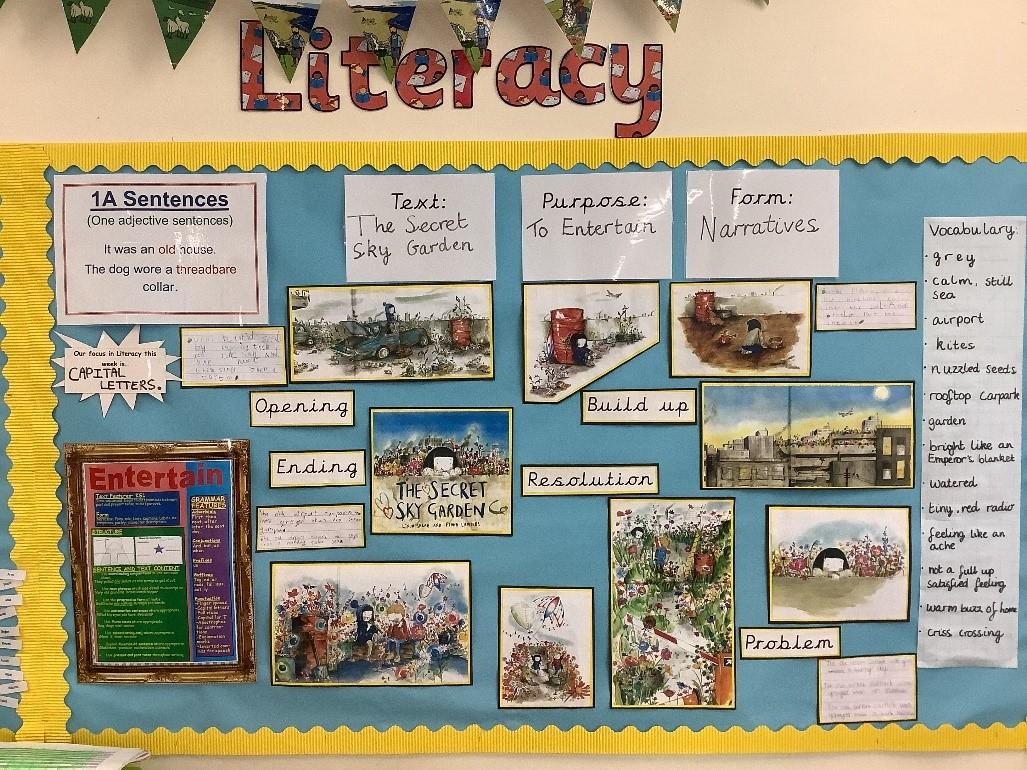
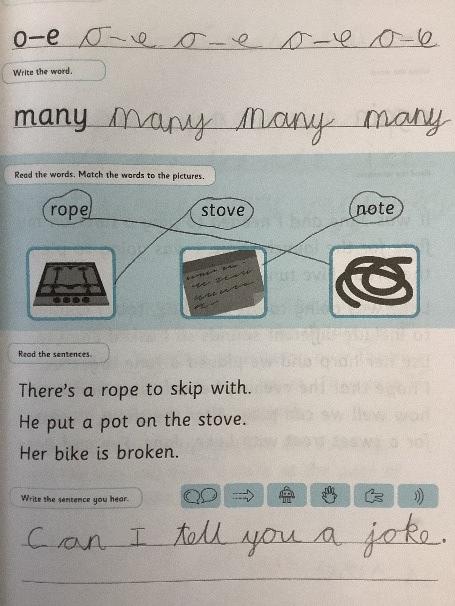
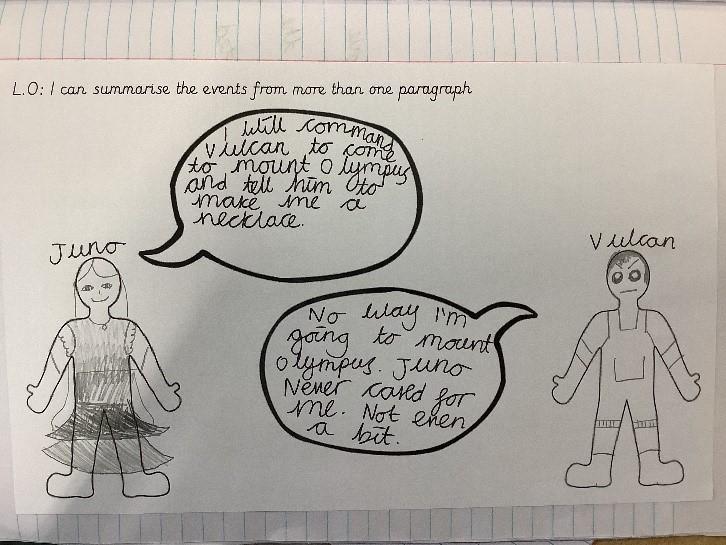
Implementation Children are taught writing through a focus on purpose and audience by looking at a range of text forms that allow them to complete that purpose. The length of each writing unit is dependent on the form that is being studied; most of these units normally last 2–3 weeks. There is an inspiration lesson at the beginning of each purpose and a high-quality text is shared with the class. Children then deconstruct the text with a particular focus on the author's craft, looking at what grammatical, language and composition features constitute the text. Children then take part in planning lessons, allowing them to identify the direction of their writing. Throughout the unit, children are provided with multiple opportunities to write and to edit and improve their own pieces of writing. Children are taught to plan, edit and publish their writing. Grammar is integrated into writing lessons and the appropriate features for each form are taught at the beginning of lessons. We also teach spelling as a discreet lesson weekly with a focus on morphology and orthography. Spelling lists are created according to objectives and rules as stated in the National Curriculum. At the end of a unit, children take part in an independent writing assessment that allows them to demonstrate all that they have been taught in the lessons prior to this task. |
|
Impact By the end of KS2, children at St Gabriel’s will have been exposed to a vast array of texts across a variety of contexts. We aim to have exposed all children to a range of different experiences and content, through their study of writing, which will have enabled them to become confident and competent writers with a developed knowledge of all grammatical concepts, taught at a primary level, as well as a sound understanding of a large range of text structures. All children will have been provided with the opportunity to learn about the four purposes of writing and will have been afforded the opportunity to write a range of text forms, within these purposes, in a creative and inspirational environment within the classroom. It is our aim to equip our children with these tools in order for them to all make outstanding individual progress in this subject. |
Reading
|
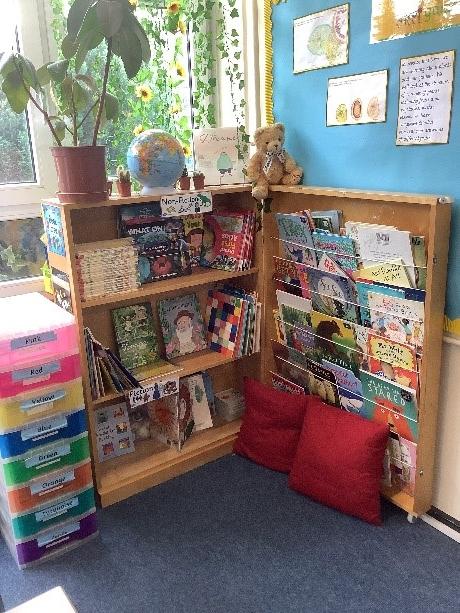
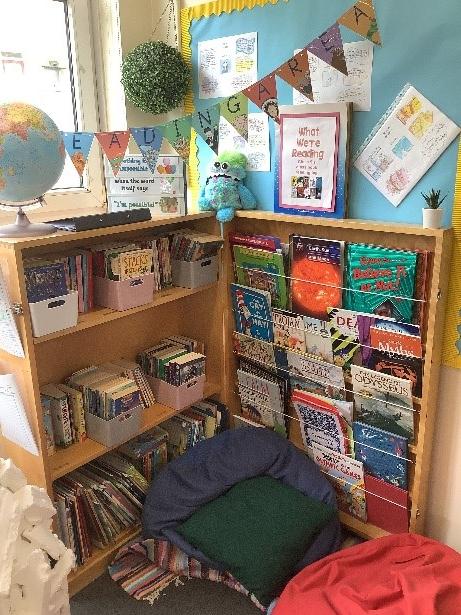
Intent We aim to inspire and encourage children to become confident and competent writers while also developing their skills in English Grammar and promoting a love of reading. In order to accomplish these aims, we constantly strive to expose our children to a wide range of high-quality texts that are either stand-alone texts, or reflect units of study in other subjects. These texts allow children to explore a range of writing purposes and forms that engage them across a broad spectrum of contexts, allowing them to relate and share common experiences to enhance the learning of each individual. |
|
Implementation We prioritise reading At St Gabriel’s we realise the importance of learning to read. We recognise that unless a child can learn to read, the rest of the curriculum is locked to them. We therefore make early reading our priority. We understand that word reading and language comprehension are developed in different ways. Children’s understanding of language is developed through listening and speaking and decoding of words is taught through phonics. Both phonics, communication and language are priorities at St Gabriel’s. Listening and Speaking Children’s language comprehension and composition is nurtured by talking, listening to and talking about stories, and by learning poetry and songs. At St Gabriel’s, adults talk with children throughout the day. We recognise that the more children take part in conversations, the more they will understand once they can read and the more vocabulary and ideas they will have to draw on when they can write. Spoken language is taught in all year groups through the national curriculum programmes of study for English and through all seven areas of learning and development in the Early Years Foundation Stage statutory framework. We have a strong focus on vocabulary across the curriculum. Children’s listening and speaking skills are assessed when they enter Reception class and they are screened using the Wellcomm Speech and Language toolkit. This identifies children requiring interventions in school as well as those needing to be referred for Speech and Language Therapy interventions in school, or/and potentially other outside agencies. The progress of children having these interventions is monitored to inform future interventions and is discussed in pupil progress meetings. Guided reading is taught consistently from Year Two through to Year Six. A timetable of differentiated activities allows children to be appropriately challenged. Children learn about reading for meaning, retrieval, comprehension, inference and deduction through these sessions, as well as broadening knowledge through the content of the high-quality texts that are being used to enhance the quality of these lessons. Children have opportunities to read frequently during whole class Literacy lessons. We use key texts which are discreet or are linked to units of study in other subjects. These texts are high quality books that celebrate cultural capital and diversity and reflect the realities of our children as well as experiences and perspectives that are different to their own. Phonics Children are taught to decode and encode words in Phonics lessons through the Essential Letters and Sounds systematic synthetic phonics programme. Phonics is taught daily in Reception Class and Class 1. Some children need extra support to enable them to work at the same pace as their peers. They are given extra practice, in a small group or one-to-one. The progress of all children in Phonics is assessed on a half-termly basis to provide gap analyses. These are used to inform interventions and are discussed in pupil progress meetings. We recognise that older children joining St Gabriel’s may also need catch-up support in phonics, speaking and listening or both aspects, particularly those who are new to the English education system or whose first language is not English. Home reading Teachers ensure that reading books for children match the correct phonics lesson. Books sent home are fully decodable and contain only what has already been taught in phonics lessons. Parents are supported with home reading through information given in ‘meet the teacher’, parent consultations, meetings with school leaders and workshops. All children are expected to read at home every day and have their reading log signed by their parent or carer as stated in our homework policy. Children in Reception class are given phonic flash cards as new sounds are taught in phonics lessons for practising at home. At St Gabriel’s we have identified a core set of stories for each year group that is shared with parents. |
|
Impact By the end of KS2, children will have developed their knowledge of reading through their interaction with phonics and early reading interventions in KS1 and through their continual progression in Guided Reading lessons in KS2. They will have become competent in a range of reading skills whilst at the same time increased their knowledge of a range of content. Children will be able to read a text, make inferences and predictions, determine a range of techniques employed by a range of authors, make judgements about the use of vocabulary within a text and also develop their own vocabulary and have the ability to make links between and across a widening range of texts. We aim for children to be confident in their ability to comprehend when reading and to be fluent readers. By the time students leave St Gabriel’s, they will have been encouraged and supported in developing a lifelong love of reading across a range of contexts and they will continue to deepen their knowledge and understanding of this subject by actively and independently seeking out new texts that will continue to challenge them. |
Literacy Long Term Plans and Progression Documents 2023-24
BBC Bitesize Primary- https://www.bbc.co.uk/bitesize/primary
Literacy Trust- https://literacytrust.org.uk/parents-and-families/
Encouraging Children to Read- https://www.gov.uk/government/publications/10-top-tips-to-encourage-children-to-read/10-top-tips-to-encourage-children-to-read
Oxford Owl- https://home.oxfordowl.co.uk/
Storyline Online- https://storylineonline.net/
Words for Life- https://wordsforlife.org.uk/
Literacy ICT Games- https://www.ictgames.com/mobilePage/literacy.html